Carnival Doghnuts (Krofi)

The word krof in Slovenian derives from the German Krapfen, which in turn has its origins in krapfo, an old German word for a claw. Presumably, because the dough was irregular in shape with sprouts growing out and so reminiscent of claws.
There are multiple myths about the origin of the doughnuts. One story says that they were invented by a Vienesse court chef Cecilia Krapf, in 1690 when she angrily threw some yeasted dough at her apprentice. She missed, the dough landed in a pan filled with hot oil, and thus doughnuts were born.
Whatever their origin, doughnuts spread from Vienna to other parts of the Habsburg monarchy, including the territory of present day Slovenia. And why are the doughnuts associated with the carnival? Carnival is the period preceding lent, i.e., the fasting period commemorating the 40 days that Jesus spent fasting in the desert. Doughnuts have a high caloric score and are a cheap way to build energy reserves before the start of the fasting period.
Recipe
Ingredients:
500 g all-purpose flour
6 g baking powder
8 g instant yeast
1/2 tsp salt
75 g sugar
2 tsp vanilla paste (can be replaced with vanilla essence)
240 ml warm milk
30 g butter
3 egg yolks
zest of 1 lemon
2 tbsp rum
2 tbsp crême fraîche
500 ml of oil for frying
apricot jam
powdered sugar
Instructions:
All the ingredients for the krofi should be warm, as should the room in which you prepare the dough.
Mix the flour with the baking powder and instant yeast.
In a bowl, beat the egg yolks and sugar for about 10 minutes, until light and fluffy.
Add the vanilla paste, warm milk, melted butter, crème fraîche, lemon zest, and rum, and mix until smooth.
Add the milk mixture to the flour mixture and stir briefly. Then add the salt and continue mixing for 15–20 minutes.
The dough should be elastic and should not stick to your fingers. If it does, add flour-one tablespoon at a time-until the dough is smooth and uniform.
Cover the dough with plastic wrap and let it rise until doubled in size (about 60 minutes).
Cut parchment paper into squares and arrange them on a baking sheet.
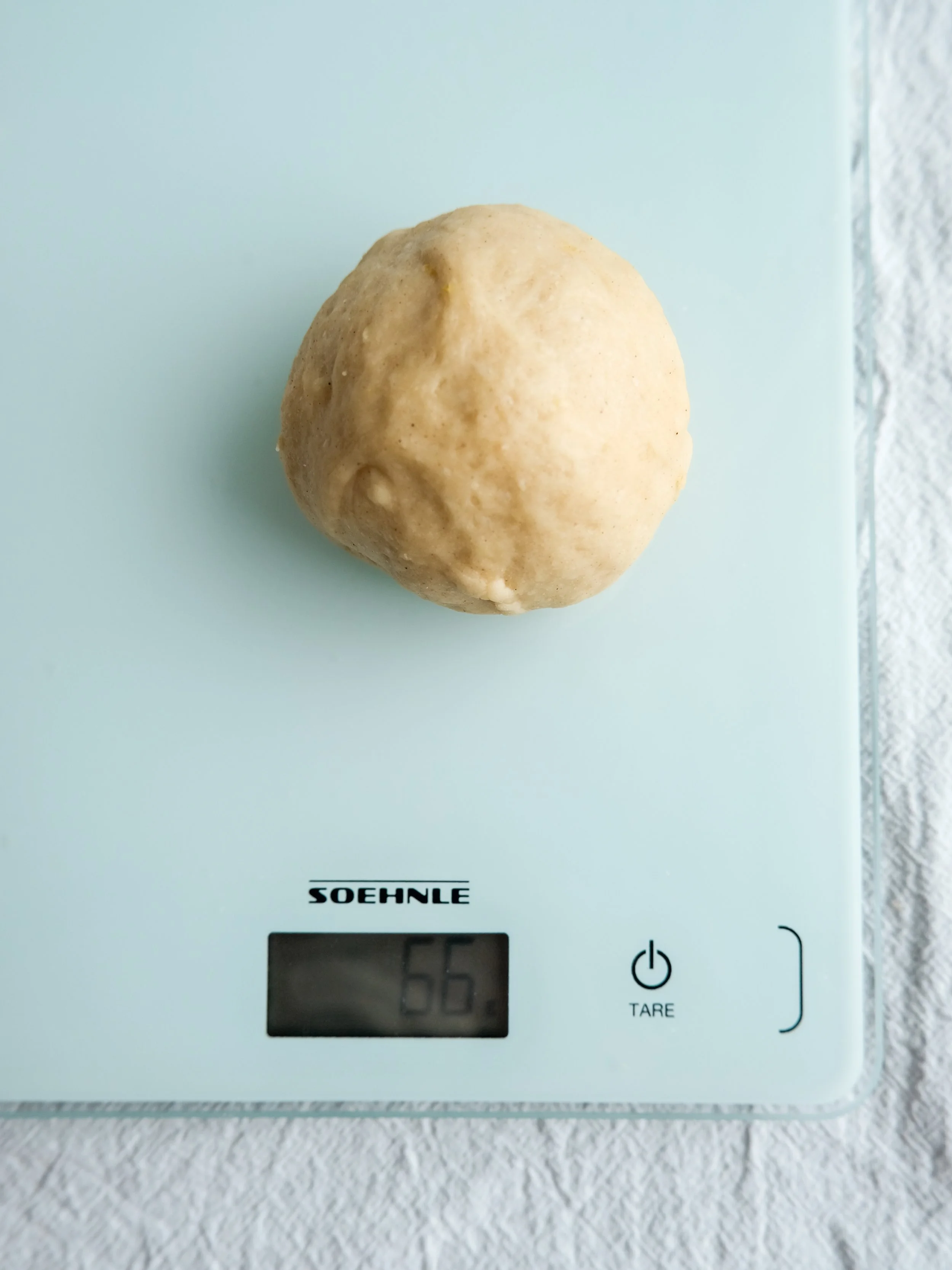
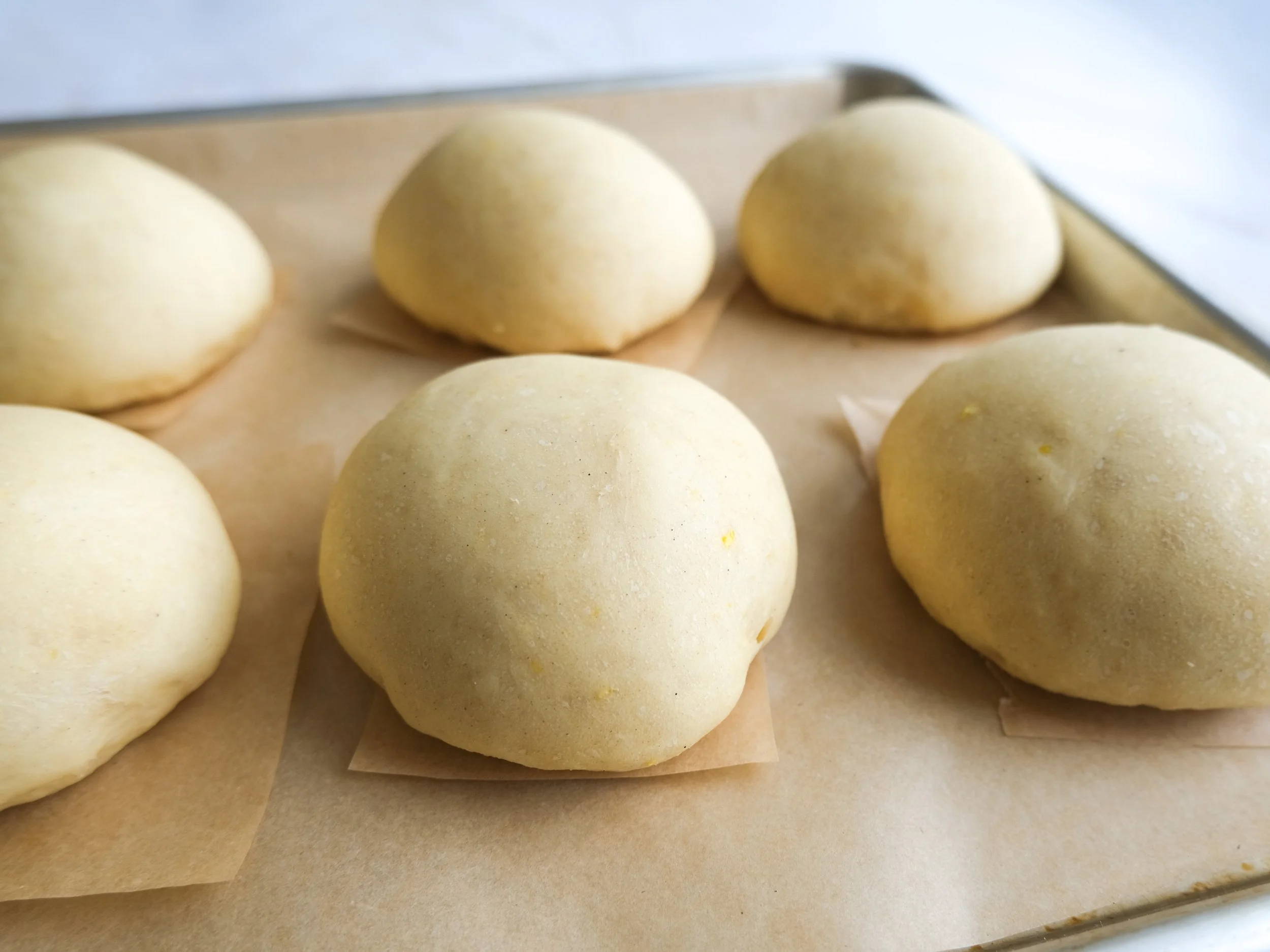
Once the dough has risen, divide it into smaller pieces, each weighing about 65 g. Shape each piece into a smooth ball and place it on an individual square of parchment paper.
Cover loosely and let rise for another 60 minutes in a warm place, until puffy and slightly airy to the touch. The parchment squares prevent sticking and make it easy to transfer the dough later without handling it directly (so the surface remains smooth and your fingers do not leave marks).
Heat oil, at least 5 cm deep, in a large Dutch oven to 160 °C (320 °F). If you don’t have a thermometer, you can test the oil by dipping the handle of a wooden spoon into it. The oil is hot enough when small bubbles begin to form around the handle. If the oil is too hot, the doughnuts will brown too quickly.
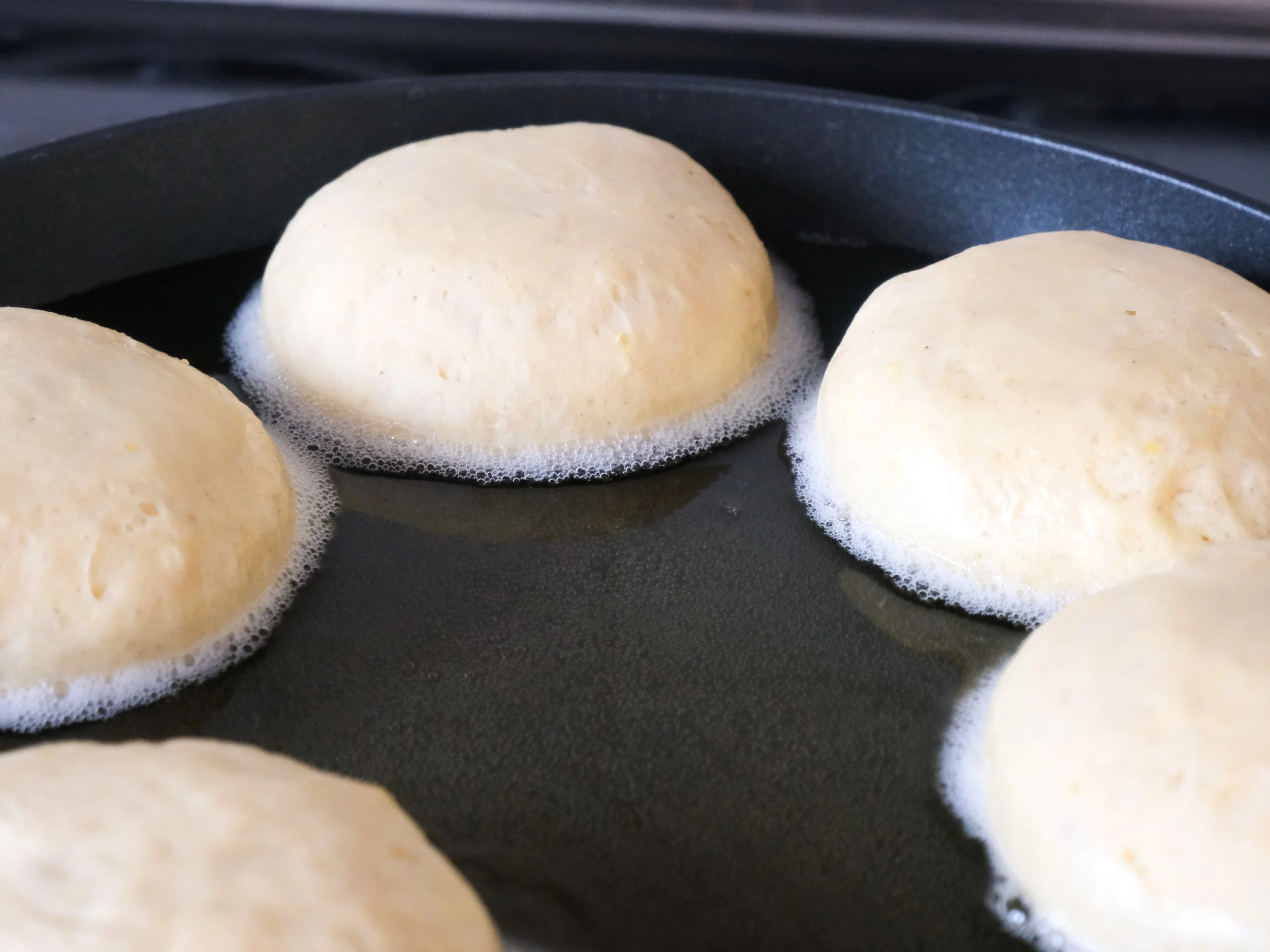
Lift each ball together with its parchment square and carefully flip it into the hot oil; then discard the paper. The top of each ball should be submerged in the oil. Do not overcrowd the pan. Cover and cook for 2–3 minutes.
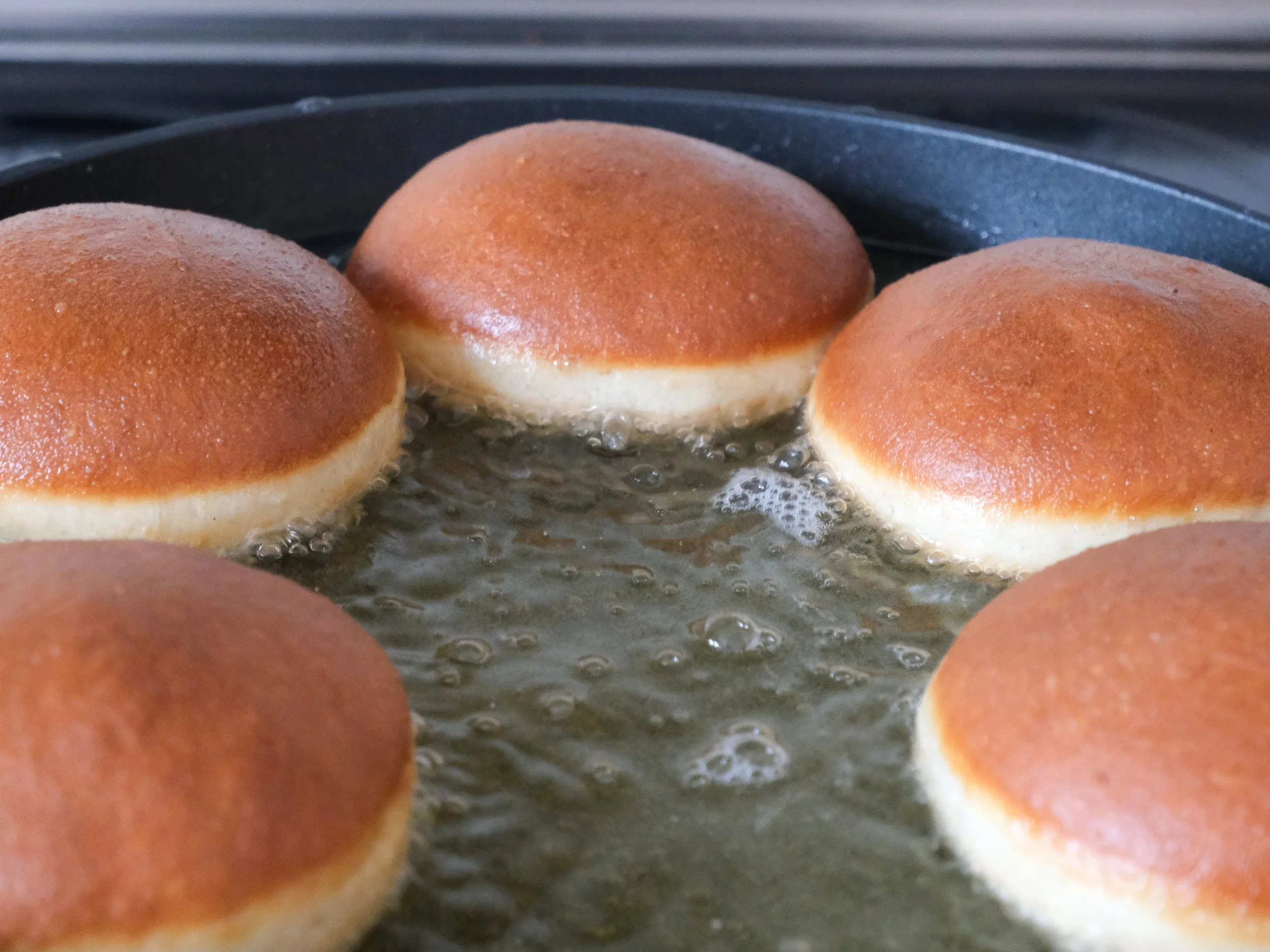
Flip and cook for another 2–3 minutes, uncovered.
- Place on a paper towel once done.
- Mix the apricot jam with a tablespoon of rum and inject it into each doughnut.
- Sprinkle with powdered sugar and serve.